
Why matcha tastes bitter
Why the matcha
you tried was bitter
Most people meet matcha once, decide
it tastes like bitter grass, and never
go back. That was our experience too.
It is almost never the drinker’s fault,
and it is usually one of four things.
The grade wasn’t
made for drinking
straight
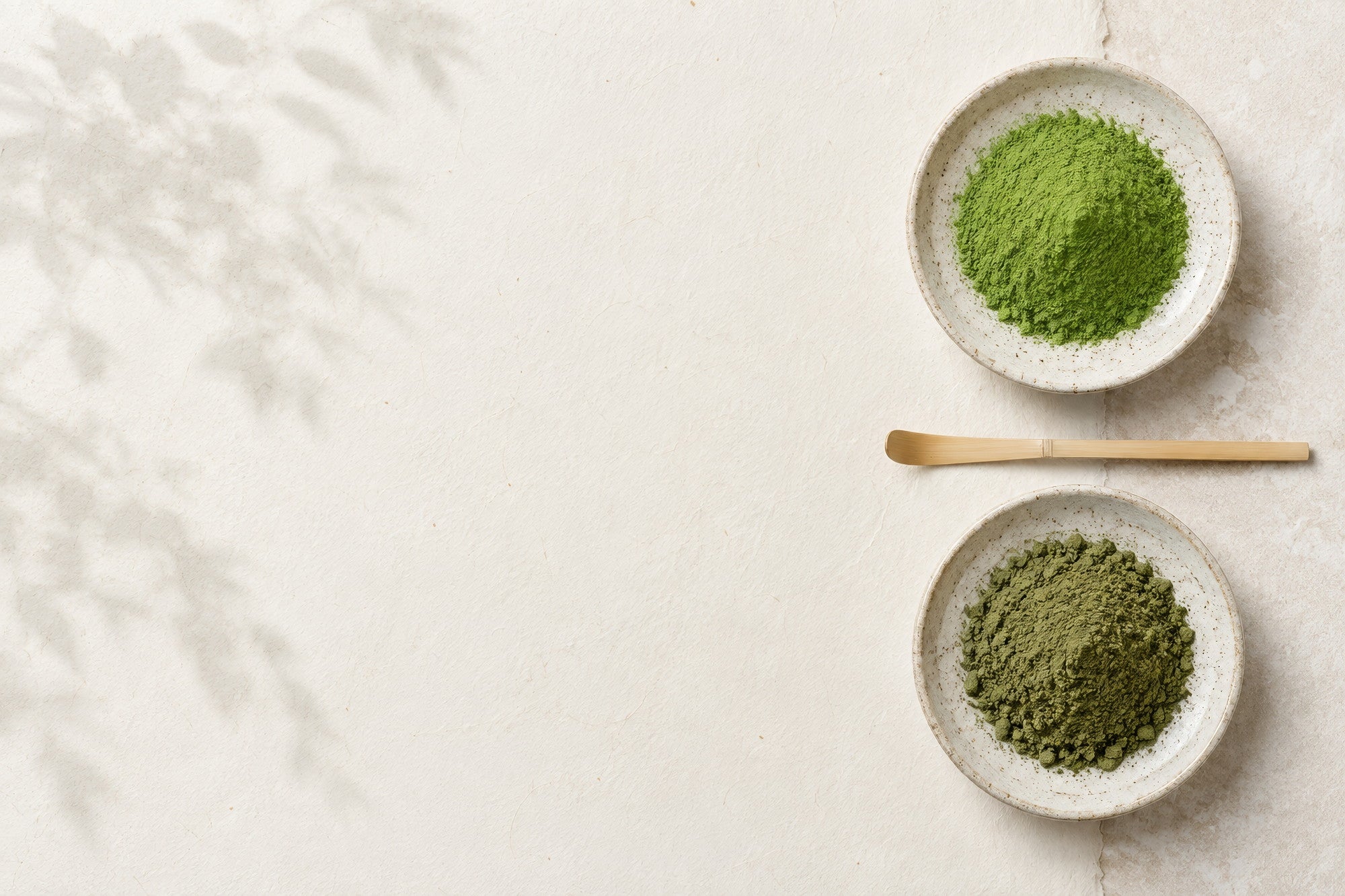
Matcha is sold in grades, and they are not simply better
and worse — they are made for different jobs.
Culinary or ingredient grade comes from later harvests and
more mature leaves. It is stronger and more astringent,
which is exactly what you want in a cake or a heavily
sweetened latte, where it has to hold its own against
sugar and milk. Drink it on its own in a bowl of hot
water and it will taste harsh.
Ceremonial grade comes from the first harvest and the
youngest leaves, shaded before picking. Shading changes
how the leaf develops and softens the astringency, which
is why it can be drunk with nothing added.
If nobody told you which one you were buying, the odds
are you were drinking culinary grade neat.
The water was
too hot
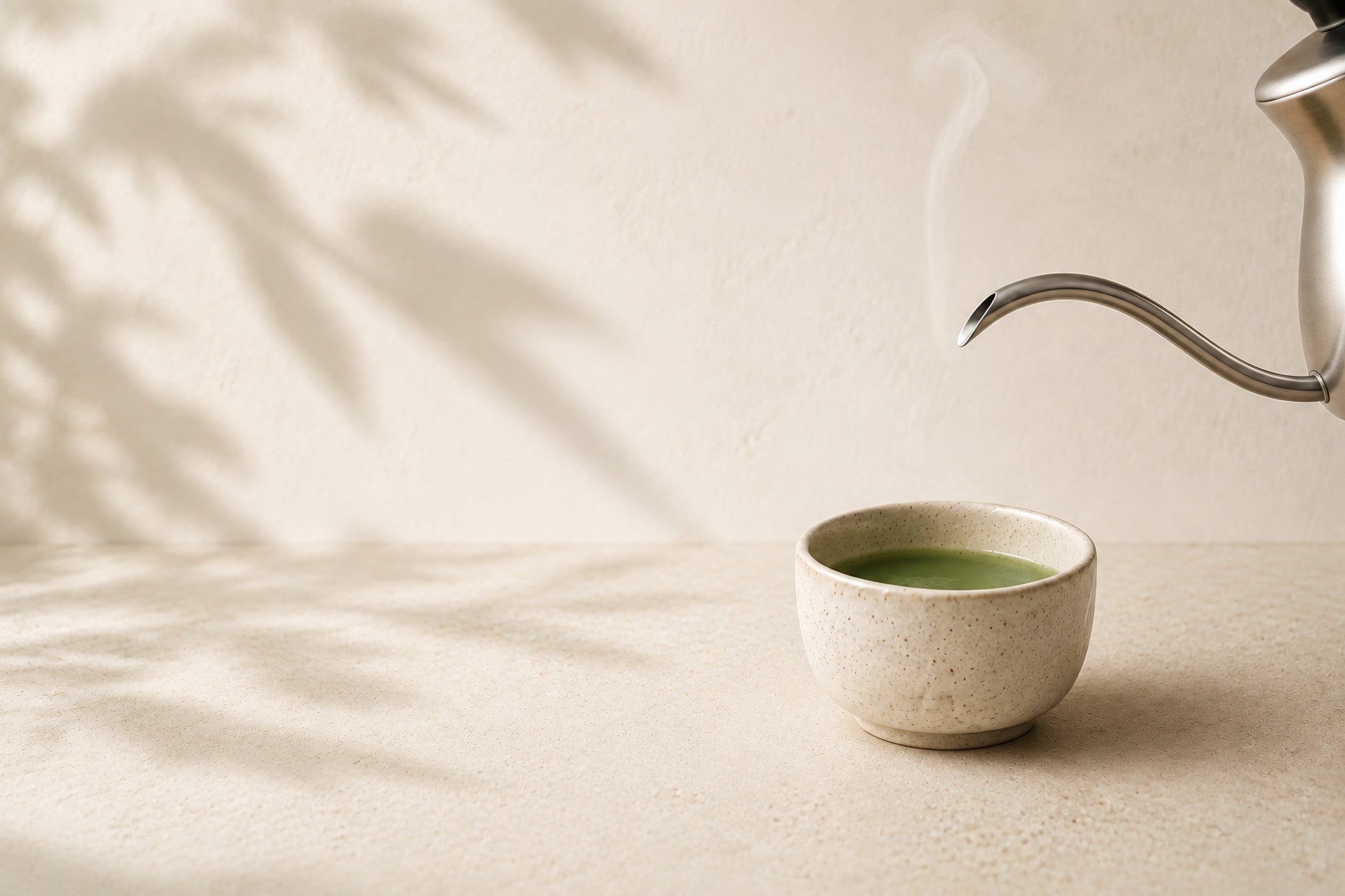
Boiling water scalds matcha and pulls out the
compounds that taste astringent.
Let the kettle sit for a couple of minutes. 70–80°C is
the range. If you don’t have a thermometer, boil the
water and leave it for three minutes.
It was old,
or it had been
stored badly
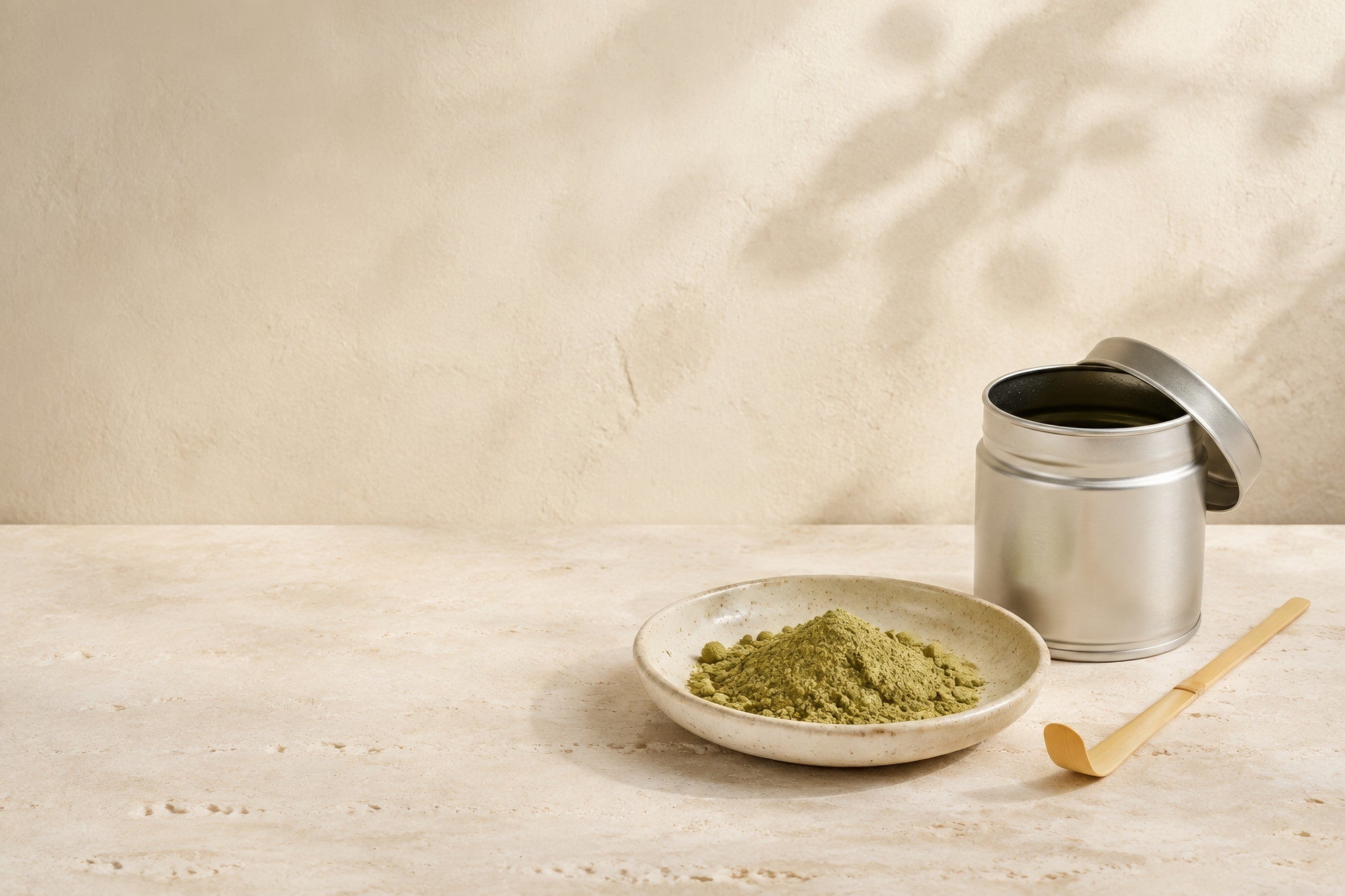
Matcha is a ground powder with a lot of
surface area, and it fades. Light, heat, air
and moisture all dull it. Old matcha loses
its bright green, goes flat and turns bitter.
This is where most disappointment actually
comes from. Matcha can sit on a shelf
for a long time before it reaches you, and
much of what is sold carries no harvest
date and no lot number, so there is no
way to know how old it is.
It wasn’t
sifted
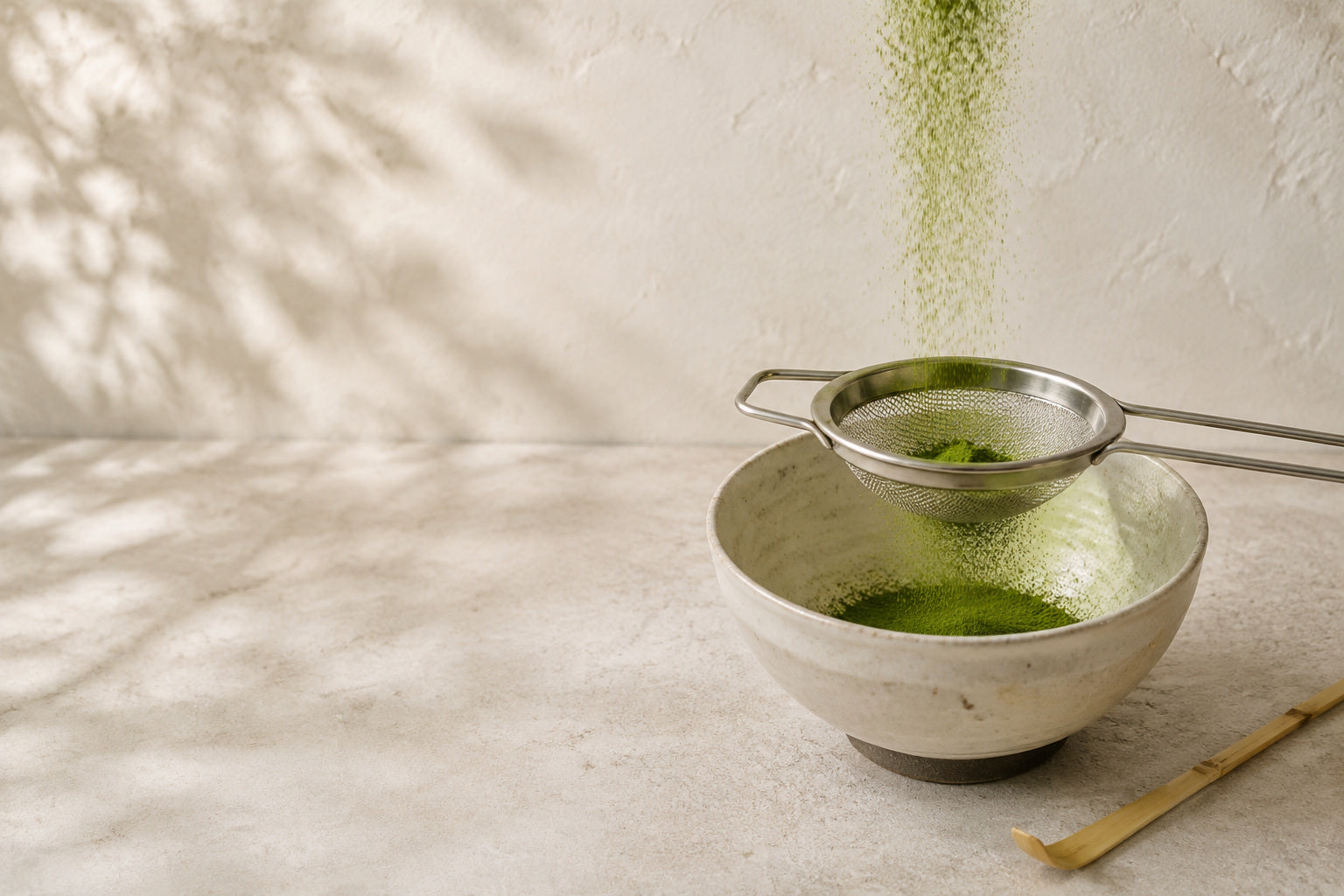
Matcha clumps. Unsifted, it leaves pockets
of dry powder that taste sharp and uneven
no matter how well you whisk. Push it
through a small sieve first. It takes ten
seconds and changes the texture completely.